The Duty of Defoamers in Enhancing Product Quality and Efficiency
In numerous making processes, the visibility of foam can substantially impede item high quality and operational effectiveness. Defoamers work as vital ingredients that alleviate this concern, guaranteeing smoother production workflows while enhancing the functional and aesthetic characteristics of the final items (defoamers). Their application covers a wide range of markets, from food and beverage to drugs, where consistency and dependability are paramount. Nonetheless, the choice of the ideal defoamer can be essential to achieving optimal results, increasing crucial inquiries regarding formulation compatibility and performance metrics that merit more expedition.
Comprehending Defoamers
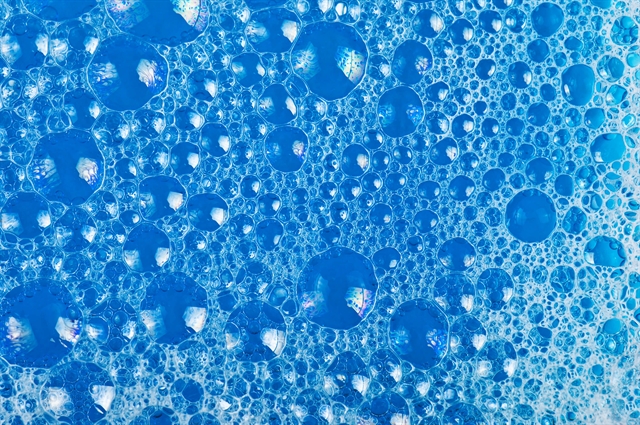
Understanding the role of defoamers is crucial for maintaining item top quality throughout numerous markets. Defoamers are chemical ingredients developed to minimize and protect against the development of foam in fluid systems, which can detrimentally affect procedures such as mixing, filling up, and surface stress. Frothing can result in inadequacies, item issues, and compromised aesthetic allure, making defoamers a vital element in manufacturing procedures.
In commercial applications, defoamers help to improve product uniformity and security. For instance, in the paint and layers sector, foam can interfere with the application process and the last coating. In food and beverage production, too much foam can impede bottling and product packaging performance. The efficient use defoamers not just makes sure smoother production processes however also adds to remarkable product efficiency.
In addition, the choice and solution of a defoamer need to align with details application demands, such as compatibility with various other components, performance under varying temperature level and pH conditions, and possible regulative constraints. Eventually, understanding defoamers' functions and their significance in numerous formulas is crucial for maximizing manufacturing and guaranteeing the finest final product.
Kinds Of Defoamers
Defoamers can be classified into numerous types based upon their composition and system of activity. The key types include silicone-based, non-silicone organic, and not natural defoamers.
Silicone-based defoamers are amongst one of the most effective, mostly as a result of their ability to spread rapidly on the fluid surface area and interfere with foam formation. Their special chemical framework enables exceptional security, making them appropriate for high-temperature applications and settings with varying pH levels.
Non-silicone organic defoamers, typically made up of fatty acids or natural oils, are valued for their biodegradability and reduced poisoning. These are commonly made use of in food and drink applications where safety and environmental effect are vital.
Not natural defoamers, that include materials like talc or calcium carbonate, act by raising the thickness of the fluid, consequently lowering foam security. They are usually made use of in industrial procedures where compatibility with other materials is not a worry.
Each sort of defoamer has distinctive advantages and limitations, permitting tailored solutions relying on the details frothing problems run into in different applications. Comprehending these differences is important for enhancing performance and attaining wanted product quality.
Applications Throughout Industries
Many markets take advantage of defoamers to improve item top quality and functional effectiveness. In the food and beverage field, defoamers are critical in procedures such as brewing and milk manufacturing to stop foam formation, which can result in inefficiencies and product inconsistency. By controlling foam, makers can ensure better yield and a more uniform item.
In the pharmaceutical market, defoamers play a crucial function in the solution of fluid medications, where excessive foam can restrain blending and precise dosing. Their usage aids maintain the integrity of the formulations and helps with smoother manufacturing processes.
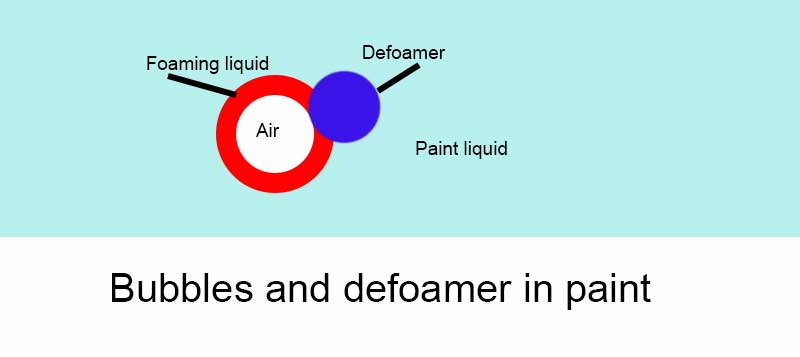
The paint and finishes market additionally relies upon defoamers to boost the performance of items during application. By decreasing foam, these additives make certain a smoother finish and enhance the aesthetic qualities of the end product.
Benefits of Utilizing Defoamers
While the application of defoamers varies across markets, their benefits regularly boost product top quality and procedure performance. One substantial benefit is the decrease of foam formation during manufacturing processes, which can or else bring about manufacturing hold-ups and incongruities in item top quality. By minimizing foam, defoamers enable a smoother flow of products, promoting much more efficient operations and minimizing the likelihood of tools breakdowns.
In addition, making use of defoamers can boost the appearance and texture of last items. In fields such as coverings, paints, and food handling, too much foam can endanger the visual aesthetic appeals and general quality, while the proper defoamer application makes certain a consistent coating and desirable characteristics. Additionally, defoamers can contribute to set you back savings by lowering waste throughout manufacturing and enhancing the use of resources (defoamers).
Selecting the Right Defoamer
Picking the ideal defoamer is crucial for enhancing manufacturing processes and guaranteeing item top quality. The choice of defoamer affects not just the performance of foam control yet also the overall performance characteristics of the end product. Factors to think about include the type of application, the chemistry browse around this site of the formulation, and the environmental conditions under which the product will be used.
Different markets may need particular defoamer kinds, such as silicone-based, organic, or polymeric defoamers. Comprehending the compatibility of the defoamer with the key components is crucial to stay clear of damaging responses that can compromise item integrity. In addition, the defoamer's performance in different temperatures and pH degrees need to be examined to guarantee consistent efficiency.
Testing the defoamer in small applications can offer important understandings right into its efficiency and viability. Factor to consider of regulatory compliance, especially in food, drugs, and cosmetics, is extremely important in picking a defoamer. Ultimately, a detailed evaluation of these variables will bring about the selection of a defoamer that not just regulates foam efficiently yet also improves the top quality and performance of the end product.
Conclusion
In verdict, defoamers are necessary additives that dramatically improve item high quality and performance throughout numerous sectors. The critical option and application of defoamers lead to set you back savings, maximized resource usage, and raised customer fulfillment.
Lathering can lead to inadequacies, item flaws, and jeopardized visual appeal, making defoamers a vital component in making operations.